Threat Detection and Prevention Course: Build Skills for a Safer Digital Future
Why Threat Detection Matters Today?
A Threat Detection and Prevention Course can help learners build the knowledge and practical skills needed to recognize cybersecurity risks and understand effective prevention strategies.
In today’s rapidly evolving digital landscape, understanding why threat detection matters today is essential for individuals and organizations aiming to protect sensitive data and systems from cyberattacks. With increasing cases of malware, phishing, and advanced persistent threats, the need for skilled professionals has never been greater. A Threat Detection and Prevention Course plays a crucial role in equipping learners with the knowledge to identify, analyze, and prevent cybersecurity threats effectively, making it a vital step toward building a secure digital future.
What Is Threat Detection and Prevention?
The Threat Detection and Prevention Course covers the fundamentals of identifying suspicious activity, understanding security risks, monitoring potential threats, and applying effective prevention techniques.
Why Choose a Threat Detection and Prevention Course?
Cover benefits such as:
- Understanding modern cybersecurity threats
- Learning threat identification techniques
- Developing security analysis skills
- Understanding prevention strategies
- Building practical cybersecurity knowledge
- Preparing for cybersecurity-related career opportunities
What Can You Learn in a Threat Detection and Prevention Course?

Cybersecurity fundamentals
Threat identification
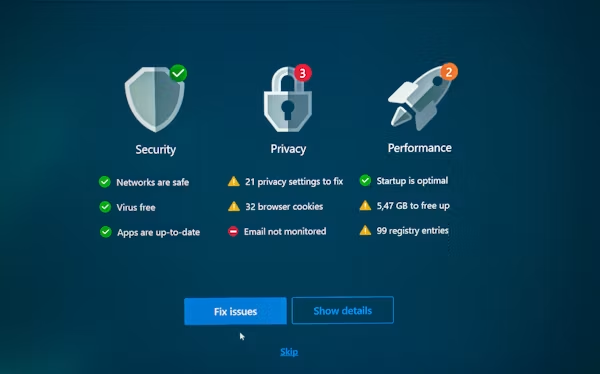
Security monitoring

Threat analysis

Risk assessment

Incident awareness and response

Prevention and mitigation techniques

Security best practices
Why NTITS Institute for Threat Detection and Prevention Training?
Introduce NTITS Institute as a trusted learning platform offering the Threat Detection and Prevention Course, and explain how structured, industry-aligned training can help learners build strong cybersecurity knowledge and practical skills. Highlight that the Threat Detection and Prevention Course is designed to provide foundational to advanced understanding of identifying, analyzing, and preventing cyber threats through a well-organized curriculum. Keep this section factual and ensure all details reflect only the officially provided features and learning outcomes of NTITS Institute’s Threat Detection and Prevention Course. Emphasize that the Threat Detection and Prevention Course at NTITS Institute focuses on practical, skill-based learning aligned with current cybersecurity industry standards, helping learners develop a clear understanding of real-world threat detection and prevention techniques.
Who Should Consider This Course?
Target relevant audiences:
- Cybersecurity beginners
- IT students
- Recent graduates
- IT professionals
- Network and security enthusiasts
- Professionals looking to expand their cybersecurity skills
Career Opportunities After Cybersecurity Training
cybersecurity education can support career development in areas such as security operations, threat analysis, network security, and cybersecurity administration, while avoiding guarantees of employment.
How to Choose the Right Threat Detection and Prevention Course
Curriculum relevance
Practical learning
Instructor expertise
Course duration
Learning format
Certification details
Career support
Conclusion
explore the Threat Detection and Prevention Course at NTITS Institute and learn more about the training, curriculum, eligibility, and enrollment process.
Frequently Asked Questions (FAQs)
A Threat Detection and Prevention Course teaches learners how to identify, analyze, monitor, and prevent different types of cybersecurity threats. It helps develop essential skills for understanding modern cyber risks and applying effective security practices.
The course can be suitable for cybersecurity beginners, IT students, graduates, IT professionals, network enthusiasts, and anyone looking to develop cybersecurity skills.
A Threat Detection and Prevention Course can help you understand cybersecurity threats, improve threat analysis skills, learn prevention techniques, and build knowledge relevant to cybersecurity roles.
Depending on the course curriculum, topics may include cybersecurity fundamentals, threat identification, security monitoring, threat analysis, risk assessment, incident awareness, prevention techniques, and cybersecurity best practices.
Yes. A structured Threat Detection and Prevention Course can provide beginners with foundational cybersecurity concepts before progressing toward more advanced threat detection and prevention techniques.
The Threat Detection and Prevention Course at NTITS Institute is designed to help learners build knowledge and practical skills related to identifying, analyzing, and preventing cybersecurity threats through structured learning.
Yes. Cybersecurity training can help learners develop relevant knowledge for career paths involving security operations, threat analysis, network security, and other cybersecurity-related areas. Career outcomes depend on individual skills, experience, qualifications, and job requirements.
Learners can develop skills related to threat identification, security monitoring, threat analysis, risk awareness, prevention strategies, and cybersecurity best practices.
When choosing a Threat Detection and Prevention Course, consider the curriculum, practical learning opportunities, instructor expertise, course duration, learning format, certification, and career support available.
Threat detection and prevention help organizations identify potential security risks and take appropriate measures to reduce the impact of cyber threats. Skilled professionals play an important role in maintaining secure digital environments.