Ethical Hacking Course at NTITS Institute | Cybersecurity Training
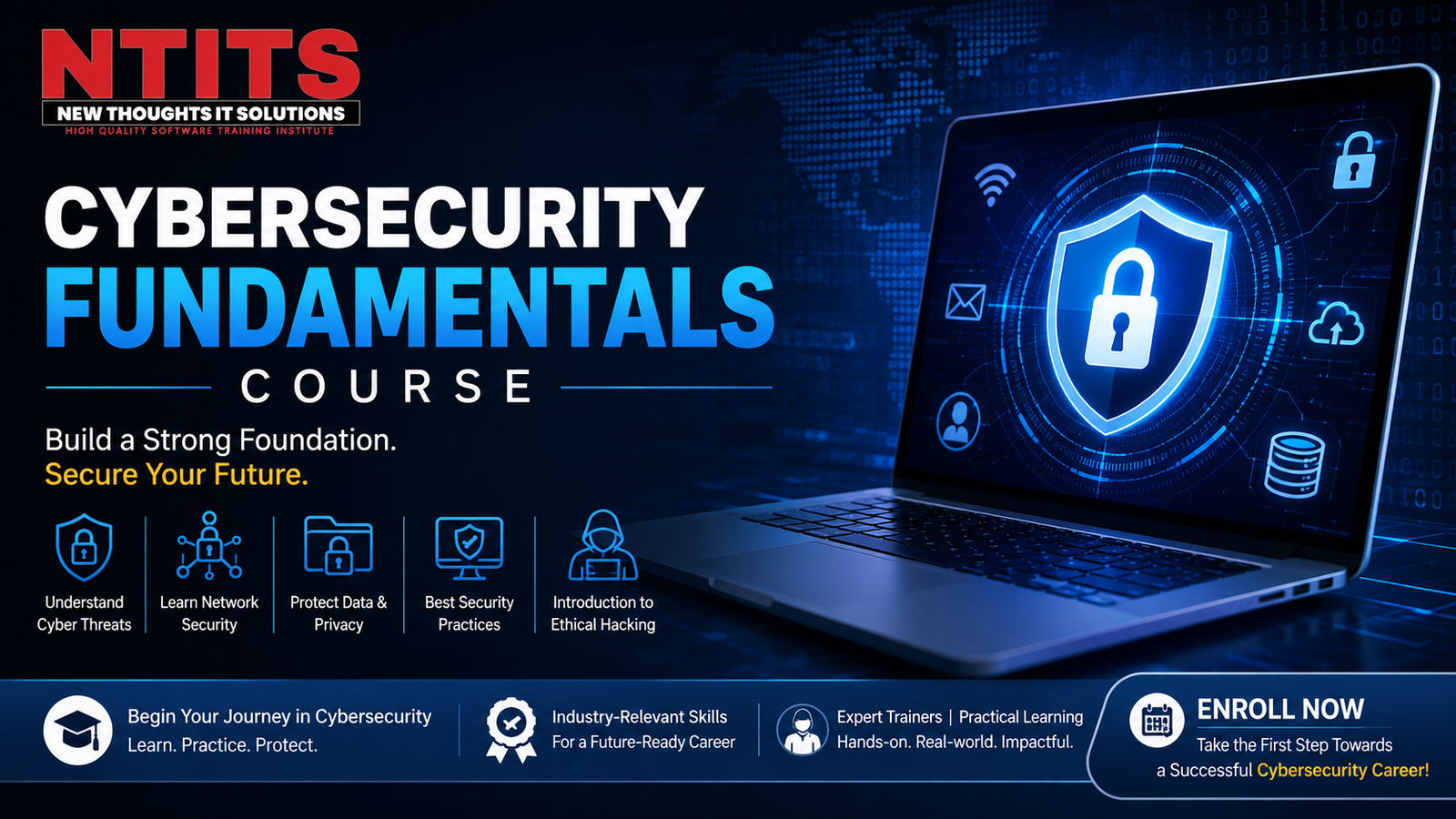
Ethical Hacking Course at NTITS Institute: Learn Cybersecurity Skills for the Digital Age
Cybersecurity has become one of the most important skills in today’s digital world. As businesses, governments, and individuals increasingly depend on technology, the demand for skilled cybersecurity professionals continues to grow.
The Ethical Hacking Course at NTITS Institute is designed for students, IT professionals, and aspiring cybersecurity experts who want to build practical knowledge in ethical hacking, penetration testing, network security, and cyber defense.
This course focuses on learning how hackers identify vulnerabilities—and, more importantly, how security professionals can legally discover and fix those weaknesses before malicious attackers exploit them.
What Is Ethical Hacking?
Ethical hacking is the authorized process of identifying and testing security vulnerabilities in computers, networks, applications, and systems.
Unlike malicious hacking, ethical hacking is performed with proper permission and follows professional and legal security practices. Ethical hackers help organizations strengthen their security by discovering weaknesses and recommending appropriate solutions.
What Will You Learn?
The NTITS Ethical Hacking Course can help learners develop a strong foundation in cybersecurity and ethical security testing.

1. Cybersecurity Fundamentals
Understand common cyber threats, attack surfaces, security principles, authentication, authorization, and basic defensive strategies.

2. Networking and Network Security
Learn how networks operate and explore important security concepts related to TCP/IP, network services, firewalls, secure configurations, and network monitoring.

3. Vulnerability Assessment
Learn how security professionals identify weaknesses in systems and applications and understand how vulnerabilities can be assessed and prioritized.

4. Penetration Testing
Understand the methodology behind authorized penetration testing, including reconnaissance, vulnerability identification, controlled security testing, documentation, and reporting.
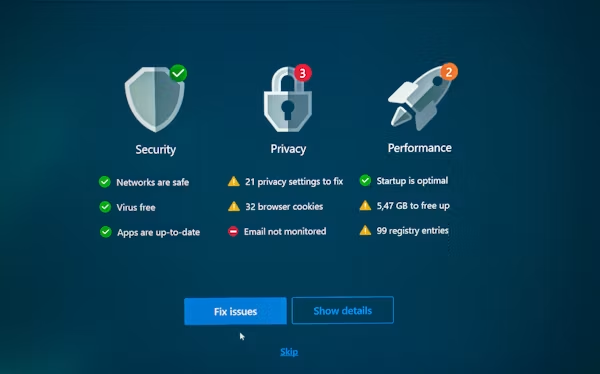
5. Web Application Security
Explore common web security risks and learn how security testers assess applications for vulnerabilities in authorized testing environments.

6. Ethical Hacking Tools
Gain exposure to commonly used cybersecurity and security-testing tools in controlled lab environments while learning the principles behind their use.

7. Cyber Defense
Ethical hacking is not only about finding vulnerabilities. It is also about understanding how to improve security. Students can learn basic defensive techniques and security best practices for reducing cyber risks.

Who Can Join an Ethical Hacking Course?
The course can be suitable for:
- Students interested in cybersecurity
- IT and computer science graduates
- Networking professionals
- System administrators
- Software and web developers
- IT support professionals
- Beginners exploring ethical hacking
- Professionals looking to expand their cybersecurity knowledge
A technical background can be helpful, but beginners can start by building their networking, operating-system, and cybersecurity fundamentals step by step.
Career Opportunities After Ethical Hacking Training
Cybersecurity skills can open pathways into several technology roles. Depending on your knowledge, practical experience, and qualifications, possible career paths include:

Ethical Hacker

Cybersecurity Analyst

Security Tester

Penetration Testing Associate

Network Security Analyst

Vulnerability Assessment Analyst

Information Security Associate

Security Operations Center (SOC) Analyst

Cybersecurity Consultant

Continuous learning and hands-on practice are especially important because cybersecurity technologies and threats constantly evolve.
Why Practical Cybersecurity Training Matters
Reading about cybersecurity is only one part of learning. Practical, authorized lab exercises help students understand how security concepts work in real-world scenarios.
A good ethical hacking training program should encourage learners to:
- Understand the security concept.
- Practice it in a controlled environment.
- Identify potential vulnerabilities.
- Understand the associated risks.
- Learn appropriate defensive measures.
- Document and communicate security findings professionally.
This approach can help learners develop both technical knowledge and problem-solving skills.
Ethical Hacking and Cybersecurity: Learn Responsibly
Ethical hacking must always be performed legally and with explicit authorization. Security testing without permission can cause damage and may have serious legal consequences.
At NTITS Institute, learners can focus on developing cybersecurity skills through responsible, authorized, and educational security practices.
Start Your Cybersecurity Journey with NTITS Institute
If you are looking to build a career in cybersecurity, an Ethical Hacking Course at NTITS Institute can be a strong starting point for developing foundational security knowledge and practical skills.
Whether you are a student taking your first step into cybersecurity or an IT professional looking to expand your skill set, structured ethical hacking training can help you understand modern security challenges and prepare for opportunities in the growing cybersecurity industry.
Take the first step toward your cybersecurity career with NTITS Institute and start learning ethical hacking the right way—with knowledge, practice, responsibility, and authorization.
Frequently Asked Questions (FAQs) – Ethical Hacking Course at NTITS Institute
The Ethical Hacking Course at NTITS Institute is designed to help students and IT professionals understand cybersecurity, ethical hacking, vulnerability assessment, penetration testing, network security, and cyber defense.
The course is suitable for students, graduates, IT professionals, networking professionals, developers, system administrators, and beginners who are interested in building a career in cybersecurity.
You can learn cybersecurity fundamentals, networking and network security, vulnerability assessment, penetration testing concepts, web application security, ethical hacking methodologies, security tools, and basic cyber defense practices.
Yes. Ethical hacking training should include controlled and authorized practical exercises that help learners understand how vulnerabilities are identified, assessed, documented, and addressed in secure lab environments.
After developing the required skills and experience, learners can explore roles such as Ethical Hacker, Cybersecurity Analyst, Security Tester, SOC Analyst, Vulnerability Assessment Analyst, Network Security Analyst, and Information Security Associate.